

Every homeowner knows the uneasy feeling that comes from discovering signs of pests, like something darting across the kitchen floor, unexplained damage, missing stored items, or strange noises behind the walls.
These intruders are more than an inconvenience. They can threaten your health, compromise your home’s structure, and disrupt your sense of comfort. Once you understand what you’re dealing with, you can act quickly and prevent a minor issue from turning into a full infestation.
Why Early Identification Matters
Most pest problems begin quietly. Insects and rodents often settle into hidden corners long before you notice anything. By the time you see one, there are usually many more nearby. Catching the problem early makes treatment easier and far more effective. It also helps you choose the right solution, since each type of pest requires a different approach. Using the wrong method wastes time and money and may even allow the problem to grow.
Common Household Pests and How to Recognize Them
Crawling Insects in the Kitchen and Pantry
Some of the most common household pests are drawn to food. They slip in through tiny gaps around windows or doors and often appear along countertops or near pet food. Homeowners usually notice small insects moving in lines or tiny droppings near food storage areas. You might even see packaging that looks chewed or damaged. Sometimes there’s a faint musty or sweet odor in enclosed spaces. These insects typically live in large colonies, so the few you see are only a small part of the population.
Flying Insects Near Windows and Drains
Small flies hovering around trash cans or damp areas are another frequent issue. They thrive in moisture and often signal a hidden source of standing water or excess humidity. You might see them gathering near windows or bright lights, or notice larvae in the soil of houseplants. Eliminating the moisture source is just as important as removing the insects themselves.
Nocturnal Insects In Walls and Furniture
Some pests hide during the day and emerge at night. You may never see them directly, but you’ll notice what they leave behind. Dark droppings along baseboards, shed skins in hidden areas, an unpleasant odor in enclosed spaces, or unexplained bite marks that appear overnight are common clues. These pests multiply quickly and require a thorough, targeted approach to eliminate.
Rodents in Walls and Attics
Rodents are among the most destructive household pests. They chew through structural materials, creating fire hazards and expensive repairs. They also spread disease through droppings and urine. Homeowners often hear scratching or scurrying sounds inside walls, especially at night. Droppings in cabinets or storage areas, gnaw marks on food packaging or furniture, shredded nesting materials, and greasy rub marks along walls are strong indicators of rodent activity.
Wood‑Destroying Pests
Some pests attack the structure of your home rather than your food. They can hollow out wood from the inside, leaving only subtle signs at first. Wood that sounds hollow when tapped, small piles of fine dust near wooden structures, discarded wings near windows, mud tubes along foundations, or sagging wood with no water damage are all warning signs. These pests can cause extensive damage over time if not addressed promptly.
Effective Ways to Eliminate Household Pests
Start With Prevention
A pest‑resistant home begins with simple habits. Sealing gaps around windows, doors, pipes, and foundations keeps pests from entering. Storing food in airtight containers and eliminating standing water removes the conditions that attract them.
Keeping your home clean and reducing clutter limits hiding spots. Even trimming vegetation away from the exterior can make a difference. Prevention costs far less than treatment and should be part of regular home maintenance.
Use Targeted Treatments
When pests do appear, the best results come from using treatments designed specifically for the type of pest you’re dealing with. Baits, traps, sprays, and powders all have their place, but they work best when applied strategically rather than everywhere at once.
Overusing chemicals can be harmful to people and pets. Matching the treatment to the pest and applying it where they’re most active is the key to success.
Fix The Underlying Cause
Removing pests is only part of the solution. If moisture or easy entry points remain, new pests will replace the old ones. Addressing these root causes keeps the problem from returning. This might mean repairing a leaky pipe, improving ventilation, reorganizing storage areas, or sealing gaps around the home’s exterior.
Know When To Call a Professional
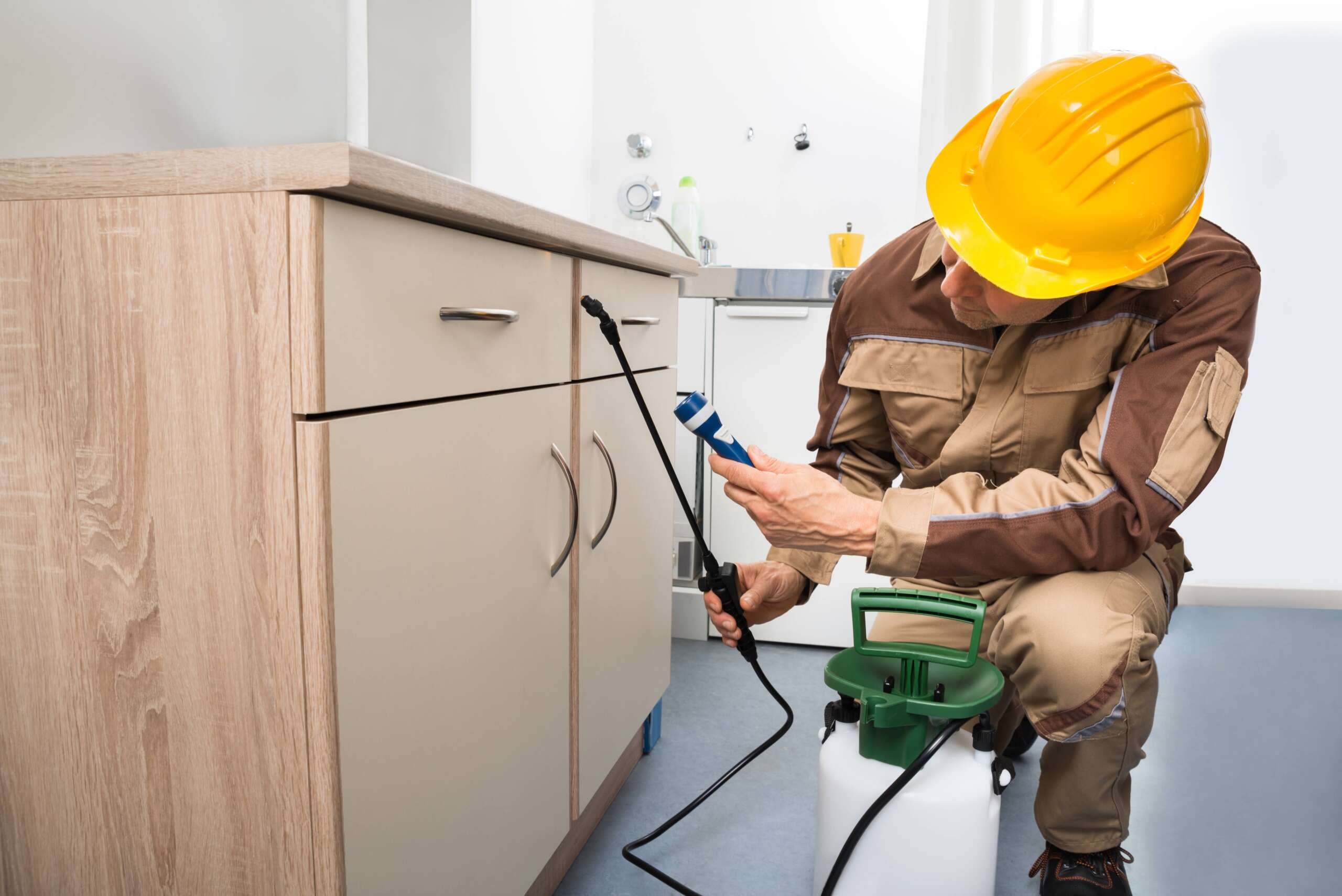
Some infestations are too large, too hidden, or too destructive for DIY methods. Rodents and long-established insect colonies often require professional tools and expertise. A trained technician can identify the full scope of the problem and apply treatments that aren’t available over the counter. Professionals also help prevent future infestations by identifying vulnerabilities you may not have noticed.
Keeping Pests Out for Good
Pest control services work best when they become part of your regular home maintenance. Seasonal changes, weather shifts, and even small updates to your home can create new opportunities for pests. Regular inspections of attics, basements, crawl spaces, and garages help you catch early signs before they escalate. Pay extra attention after heavy rain or cold weather, when pests are more likely to seek shelter indoors. Maintaining good habits around moisture control and home repairs will go a long way toward keeping your home pest-free year-round.
Call a Professional Today
If pests are making themselves at home in your space, it’s time to take control. Our services offer thorough inspections and customized treatment plans tailored to your home. Whether you’re dealing with a minor issue or a major infestation, our certified technicians can identify the source, treat it effectively, and help you keep your home protected.
Call today for an inspection and reclaim the comfort and safety of your home. Your space should feel like your sanctuary again.
Frequently Asked Questions
How do I know if I have an infestation or just an occasional pest?
One sighting doesn’t always mean an infestation, but it’s worth checking for repeated activity, droppings, damage, or nesting materials. Multiple signs usually indicate a larger problem.
Are DIY pest control methods effective?
They can work for small, early issues. If the problem doesn’t improve or seems widespread, professional treatment is usually the better option.
Are household pests dangerous to my family’s health?
Yes. Rodents can carry disease, some insects trigger allergies or asthma, and others contaminate food or surfaces. Addressing the issue promptly protects your home and your health.
How long does it take to eliminate a pest infestation?
It depends on the pest and the severity of the problem. Some issues resolve quickly, while others, like termites or large rodent colonies, require ongoing treatment.
What time of year are pests most active?
Warm months bring increased activity, but many pests remain active indoors year-round. Fall often brings a surge as pests seek warmth.
How can I prevent pests from returning after treatment?
Consistent prevention is key. Seal entry points, reduce moisture, keep your home clean, and schedule periodic inspections.